UK Basketball Betting Guide
The Complete UK Basketball Betting Guide: From First Wager to Informed Punter
NBA and EuroLeague betting intelligence for UK punters
By Basketball Betting Analyst
 Available in US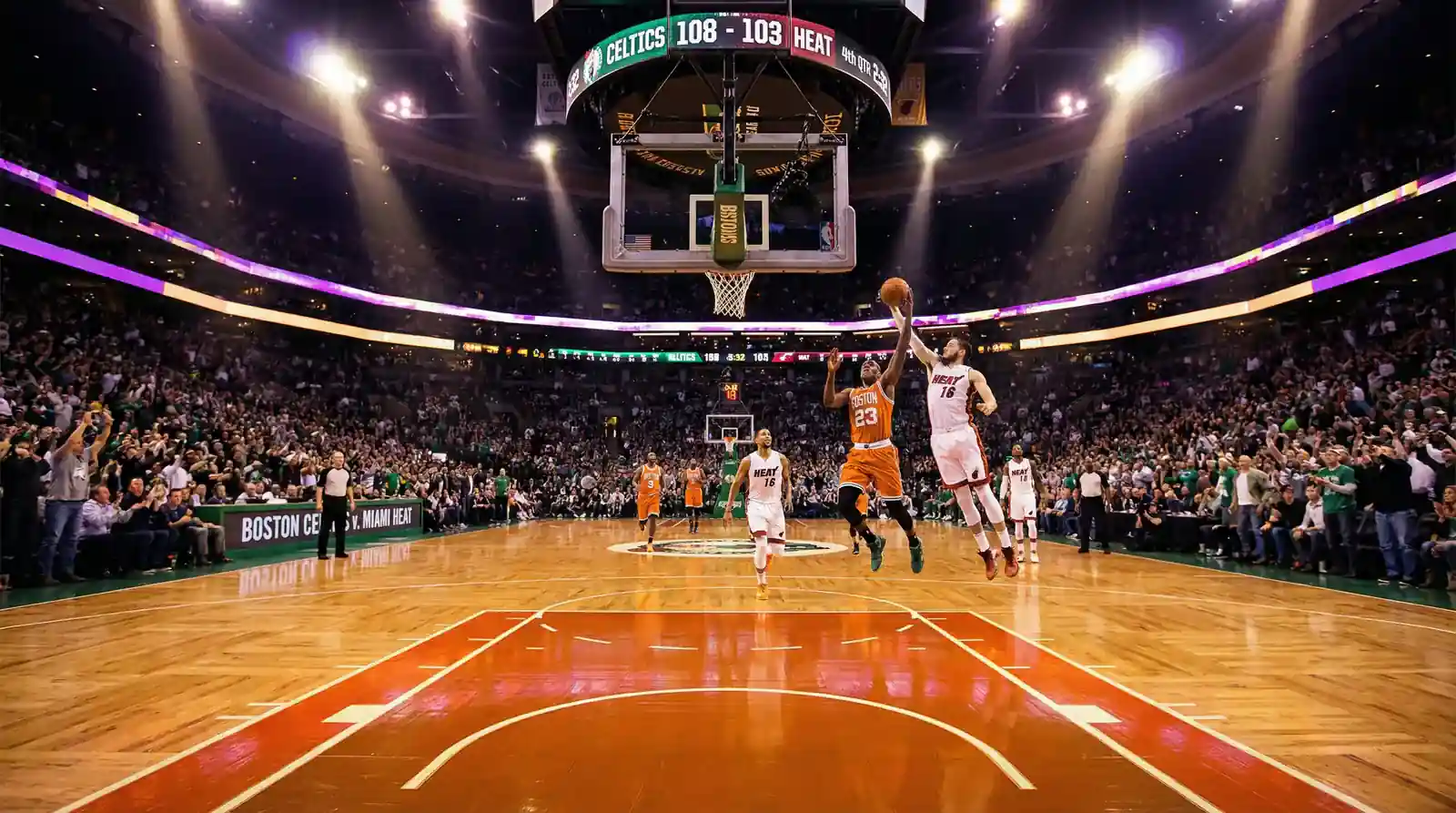
Nine years ago, I placed my first basketball bet on an NBA playoff game. I had no idea what a point spread was, couldn’t tell you the difference between decimal and fractional odds, and genuinely believed that picking winners was all that mattered. That bet lost — not because my prediction was wrong, but because I didn’t understand what I was actually betting on. The team I backed won the game but didn’t cover the spread. Welcome to basketball betting.
This UK basketball betting guide exists because I wish someone had handed me this information back then. The British gambling market has exploded into a £16.8 billion industry, with the online segment alone generating £7.8 billion annually. Within that landscape, basketball wagering represents one of the fastest-growing niches — and one of the most misunderstood. Ten percent of UK adults now participate in online sports betting, yet most resources available focus exclusively on football or horse racing, leaving basketball punters to piece together information from American sources that don’t account for UK regulations, odds formats, or time zone realities.
What you’ll find here is different. I’ve spent nearly a decade analysing basketball markets, tracking value opportunities across NBA and EuroLeague competitions, and navigating the specific challenges that UK bettors face. This guide covers everything from fundamental concepts that every beginner needs to understand, through to the regulatory framework that protects you as a UK punter. Whether you’re curious about how basketball betting actually works or looking to refine your approach to specific markets, I’ve structured this resource to meet you wherever you are in your betting journey — with practical insights you can apply immediately.
Table of Contents
- The Five Principles That Define Informed Basketball Betting
- The UK Sports Betting Landscape in 2026
- How Basketball Betting Works: The Fundamentals
- Core Basketball Bet Types Explained
- NBA Betting for UK Punters
- EuroLeague and European Basketball Markets
- Live Basketball Betting: The Fastest-Growing Market
- UK Gambling Regulation: What Bettors Must Know
- Choosing a UK-Licensed Bookmaker for Basketball
- Responsible Gambling: Protecting Yourself as a Bettor
- Your First Basketball Bet: A Step-by-Step Walkthrough
- Basketball Betting Questions Answered
- Building Your Basketball Betting Knowledge
The Five Principles That Define Informed Basketball Betting
- The UK gambling industry generates £16.8 billion annually, with basketball capturing 10% of European online betting revenue — a growing segment with less saturated markets than football or horse racing
- Four fundamental bet types form 80% of basketball wagering: moneyline (pick the winner), point spreads (handicapped margins), totals (combined scores over/under), and accumulators (multiple selections combined)
- UK regulation provides meaningful protection — only bet with Gambling Commission licensed operators, verify licences through the public register, and use dispute resolution pathways when needed
- Timing shapes UK basketball betting reality: NBA games tip off between midnight and 4am, while EuroLeague offers prime evening viewing — adjust your approach accordingly
- Responsible gambling tools exist to protect you — set deposit limits before you need them, know GAMSTOP exists for serious situations, and treat betting entertainment budget as genuinely expendable
The UK Sports Betting Landscape in 2026
Last spring, I was reviewing betting figures and noticed something that shouldn’t have surprised me but did: the UK’s gambling industry had crossed another threshold. Gross gambling yield hit £16.8 billion for the financial year ending March 2025, representing a 7.3% year-on-year increase. That’s not just a number — it reflects fundamental shifts in how millions of people engage with sports entertainment.

The online segment tells the more interesting story. Remote betting now generates £7.8 billion annually, having grown by more than £900 million in a single year. This migration from high street shops to mobile apps isn’t merely a convenience trend; it’s reshaping which sports attract betting attention. Football still dominates remote betting with £1.1 billion in gross gambling yield, followed by horse racing at £771 million. But the growth patterns reveal opportunities in less saturated markets.
£16.8 billion
Total UK gambling industry gross yield 2024-25
£7.8 billion
Online gambling annual gross yield
34.6%
UK share of European online betting revenue
The UK’s position in European gambling is worth understanding. British operators control 34.6% of the continent’s online betting revenue — more than any other country by a significant margin. This dominance creates a mature, competitive marketplace where bookmakers fight for market share through better odds, more markets, and improved user experiences. For basketball bettors specifically, this competition translates to more comprehensive NBA and EuroLeague coverage than you’d find in most European jurisdictions.
What drives these numbers? Participation rates provide context. Nearly half of UK adults — 48% — engaged in some form of gambling within the four weeks leading up to October 2025. Among those who gamble, 47% place sports bets, making it the second most popular form behind only the National Lottery. The typical UK sports bettor in 2026 is increasingly mobile-first, comfortable with live betting, and interested in expanding beyond traditional British sports.
Where Basketball Sits Among UK Betting Markets
I remember the moment I realised basketball betting had genuinely arrived in the UK. It was 2019, and I noticed that multiple bookmakers had started offering same-game parlays for NBA matches — a market sophistication that previously existed only in the American market. That development signalled something important about demand.
Across European online betting, basketball captures approximately 10% of gross gaming revenue. That places it third behind football’s dominant 75% share and tennis at 11%. Those percentages might suggest basketball is a minor player, but context matters enormously here. Football’s share reflects decades of cultural dominance and an established betting tradition stretching back over a century. Basketball’s 10% represents relatively recent growth into a sport that most British punters never watched until streaming made it accessible.
| Sport | European Online Betting Share | Market Characteristic |
|---|---|---|
| Football | 75% | Mature, highly efficient markets |
| Tennis | 11% | Strong live betting component |
| Basketball | 10% | Growing rapidly, diverse leagues |
| Other sports | 4% | Niche opportunities |
The global picture reveals basketball’s true position. Of worldwide basketball betting revenue, 55% comes from markets outside North America. Europe, Asia, and other regions collectively generate more basketball wagering activity than the sport’s home continent. This global distribution creates interesting dynamics for UK bettors — European basketball competitions often feature softer lines than heavily-analysed NBA games, while time zones make EuroLeague matches far more accessible for live betting than late-night American tip-offs.
Football generates £1.1 billion in UK remote betting yield alone. Basketball’s slice is considerably smaller, but growth trajectories matter more than current size. The NBA’s expanding international audience, combined with improved streaming access and growing familiarity with American sports formats, positions basketball betting for continued expansion. For those willing to develop genuine expertise, less efficient markets often provide better opportunities than the hyper-scrutinised football betting ecosystem.
How Basketball Betting Works: The Fundamentals
A friend once asked me why his basketball bet paid out differently than he expected. He’d staked £20 on the Lakers at 1.80 odds, they won comfortably, and he received £36 back. “But I won,” he said, “shouldn’t I have made more?” That conversation exposed a gap I see constantly — people placing bets without understanding the mechanics behind their potential returns.
Every basketball wager involves three connected elements: your stake (the amount you risk), the odds (the bookmaker’s price for that outcome), and the potential payout (what you receive if you win). Odds express probability — specifically, the bookmaker’s assessment of how likely an outcome is, adjusted to include their profit margin. When you see decimal odds of 2.00 on a team, the implied probability is 50%. Odds of 1.50 imply 66.7% probability — a likely favourite. Odds of 3.00 suggest just 33.3% likelihood — a clear underdog.
Your payout calculation is simple: multiply your stake by the decimal odds. A £10 bet at odds of 1.90 returns £19.00 total (your original £10 stake plus £9.00 profit). The higher the odds, the less likely the bookmaker believes that outcome is — but the greater your potential reward for being correct. Bookmakers don’t offer “fair” odds that perfectly reflect true probabilities. They build in a margin — called the overround — that ensures they profit regardless of outcomes. If a match had two equally likely outcomes, fair odds would be 2.00 on each side. Instead, you might see both teams priced at 1.90. That gap represents the bookmaker’s edge.
The stake you choose should relate to your overall betting bankroll, not to how confident you feel about a particular selection. Disciplined staking — treating each bet as one of many rather than a standalone event — separates those who survive in betting from those who don’t. Most experienced bettors risk between 1% and 5% of their total bankroll on any single wager. Basketball’s high-scoring nature creates specific betting characteristics: games regularly see combined scores exceeding 200 points, meaning leads change frequently and momentum shifts dramatically. This volatility affects how odds move during live betting and why basketball attracts punters who enjoy in-play wagering.
Reading Basketball Odds: Decimal, Fractional and American
Walking into my first American sportsbook, I stared at the odds board completely lost. Everything was displayed in American format — Lakers -150, Celtics +130 — and I had no reference point for what those numbers meant. UK bettors face the opposite challenge when consuming American basketball content or using international platforms. Three odds formats dominate basketball betting globally, and fluency in all three proves genuinely useful.
Decimal odds represent the UK and European standard. They show your total return per unit staked, including your original stake. Odds of 1.75 mean a £1 bet returns £1.75 total (£0.75 profit). Decimal odds below 2.00 indicate a favourite; above 2.00 indicates an underdog.
Fractional odds — the traditional British format — express profit relative to stake. Odds of 3/1 mean you win £3 profit for every £1 staked. Odds of 1/2 mean you win £1 profit for every £2 staked. While still common in UK horse racing, most basketball bettors find decimal format more intuitive.
American odds centre around a baseline of 100 units. Negative numbers indicate favourites and show how much you must stake to win 100 units. Positive numbers indicate underdogs and show how much you win from a 100-unit stake. Odds of -150 mean staking £150 to win £100 profit. American format dominates NBA coverage, so recognising it helps when following American analysis.
| Decimal | Fractional | American | Implied Probability |
|---|---|---|---|
| 1.50 | 1/2 | -200 | 66.7% |
| 1.80 | 4/5 | -125 | 55.6% |
| 2.00 | 1/1 (evens) | +100 | 50.0% |
| 2.50 | 3/2 | +150 | 40.0% |
| 3.00 | 2/1 | +200 | 33.3% |
Most UK bookmakers default to decimal odds in their basketball sections, though settings typically allow switching between formats. I recommend working primarily in decimal format for everyday betting while developing enough American odds literacy to consume NBA analysis comfortably.
Core Basketball Bet Types Explained
The first time someone explained point spreads to me, I thought they were overcomplicating what should be simple. Pick the winner, collect your money — what else could there be? But basketball betting’s richness comes from this variety, and understanding each market type opens opportunities that pure winner-picking never could.
Four fundamental bet types form the foundation of basketball wagering. Each serves different purposes, carries different risk profiles, and requires different analytical approaches. Master these four, and you’ll understand roughly 80% of all basketball betting activity.

Moneyline Bets
The simplest form of basketball wagering: pick which team wins the game. No margins, no point totals — just identify the victor. Moneyline odds reflect each team’s perceived winning probability. A heavy favourite might be priced at 1.20 (needing to stake £5 to profit £1), while an underdog could offer 4.50 (profit £3.50 from a £1 stake). Moneyline bets suit situations where you have strong opinions about who wins but less confidence about winning margins. They’re particularly valuable when backing underdogs who you believe have genuine upset potential — the odds reflect their underdog status, meaning successful picks generate larger returns than equivalent favourite bets.
Point Spread Bets
Spreads level the playing field by handicapping the favourite. If Boston is a 6.5-point favourite over Miami, betting Boston “against the spread” requires them to win by 7 or more points. Betting Miami +6.5 means Miami must either win outright or lose by 6 points or fewer. The half-point eliminates ties — one side always covers. Spread betting offers near-even odds on both sides (typically around 1.90-1.95), making it the primary market for basketball handicappers. Understanding why a spread is set where it is — considering factors like home court, injuries, travel schedules, and historical matchups — forms the core of serious basketball analysis.
Totals (Over/Under)
Totals betting ignores which team wins entirely. Instead, you predict whether the combined final score lands above or below the bookmaker’s posted number. If a game’s total is set at 215.5 points, betting “over” wins if the teams combine for 216 or more; “under” wins at 215 or fewer. Basketball’s high-scoring nature makes totals particularly interesting — games regularly swing between defensive struggles and offensive shootouts. Factors like pace of play, defensive efficiency, rest days, and specific matchup dynamics all influence whether games trend high or low. Totals attract bettors who prefer analysing game flow rather than picking winners.
Parlays and Accumulators
Accumulators — known as parlays in American terminology — combine multiple selections into a single bet. All selections must win for the bet to pay out, but the odds multiply together, creating potentially large returns from small stakes. A four-leg accumulator with each selection at 1.90 odds would pay approximately 13.00 (1.90 × 1.90 × 1.90 × 1.90). The catch: probability compounds against you. Four independent events each at 50% probability produce just 6.25% combined likelihood of all four occurring. Accumulators offer entertainment value and big-win potential, but mathematical expectation generally favours smaller combination sizes or single bets.
Beyond these four core types, basketball betting extends into numerous specialised markets. Player props allow betting on individual performances — whether a specific player scores over or under a projected points total, for instance. Team props cover team-specific outcomes like first-half winners or largest lead. Quarter and half betting breaks games into segments, each tradeable separately. Same-game parlays combine multiple selections from a single match, though correlation between selections means the odds don’t multiply as favourably as independent events would suggest.
For comprehensive breakdowns of each bet type, including practical examples and strategic considerations, my detailed guide to basketball betting types expands on everything introduced here. What matters at this stage is grasping that basketball betting isn’t a single activity — it’s a collection of related but distinct markets, each rewarding different skills and suiting different betting temperaments.
NBA Betting for UK Punters
There’s a particular tension in being a UK-based NBA bettor. The league plays the best basketball on the planet, generates enormous betting interest globally, and offers markets on virtually every statistical outcome imaginable. Yet most games tip off between midnight and 4am British time, turning serious NBA wagering into a test of dedication as much as analytical skill.
The NBA represents the dominant force in global basketball betting. The league’s market value reached $12.94 billion in 2025, with projections suggesting growth toward $20 billion by 2031. That commercial scale translates directly into betting market depth — more games covered, more prop markets offered, and tighter spreads than any other basketball competition worldwide. The 2025-26 season opener showcased this relevance, with viewership jumping 60% compared to the previous season’s opening week.
$12.94 billion
NBA market valuation 2025

For UK bettors, the NBA season structure creates natural betting rhythms worth understanding. The regular season runs from October through April, with each of the 30 teams playing 82 games. That volume — over 1,200 regular season games annually — provides extensive opportunity but also demands selectivity. No one can analyse every matchup with genuine depth; successful NBA bettors focus on specific teams, conferences, or market types rather than attempting comprehensive coverage.
The postseason shifts dynamics considerably. From mid-April through June, playoff basketball rewards different analytical approaches. Best-of-seven series allow teams to adjust, making game-one results less predictive than regular season patterns might suggest. Star players receive heavier minutes, reducing the variance that bench depth creates during the regular season. Betting lines tighten as market attention concentrates on fewer games.
Timing represents the practical challenge for UK-based NBA bettors. West Coast games — featuring major market teams like the Lakers, Warriors, and Clippers — often don’t conclude until 5am UK time. East Coast matchups finish closer to 3am, still impractical for most schedules. This reality shapes how British punters engage with NBA betting. Pre-match analysis becomes more important when you can’t watch games live. Early weekend games occasionally accommodate European viewing. And the growing emphasis on live betting means that missing tip-off doesn’t necessarily mean missing the betting opportunity.
I’ve developed my own approach to this timing challenge over the years, which involves focusing primarily on early-tip games (around midnight UK time), being highly selective about late-night involvement, and accepting that I’ll never have the reactive advantage of American bettors watching live. The depth of NBA betting coverage for UK punters explores these strategies and specific market approaches in detail. For now, recognise that NBA betting from Britain requires adapting your process rather than simply importing American methods wholesale.
EuroLeague and European Basketball Markets
European basketball solved my NBA timing problem before I even realised I had one. EuroLeague games typically tip off between 6pm and 9pm UK time — perfect for watching live while eating dinner or settling into an evening. The quality isn’t NBA-level, but the betting opportunities often prove more interesting precisely because fewer eyes analyse these markets.
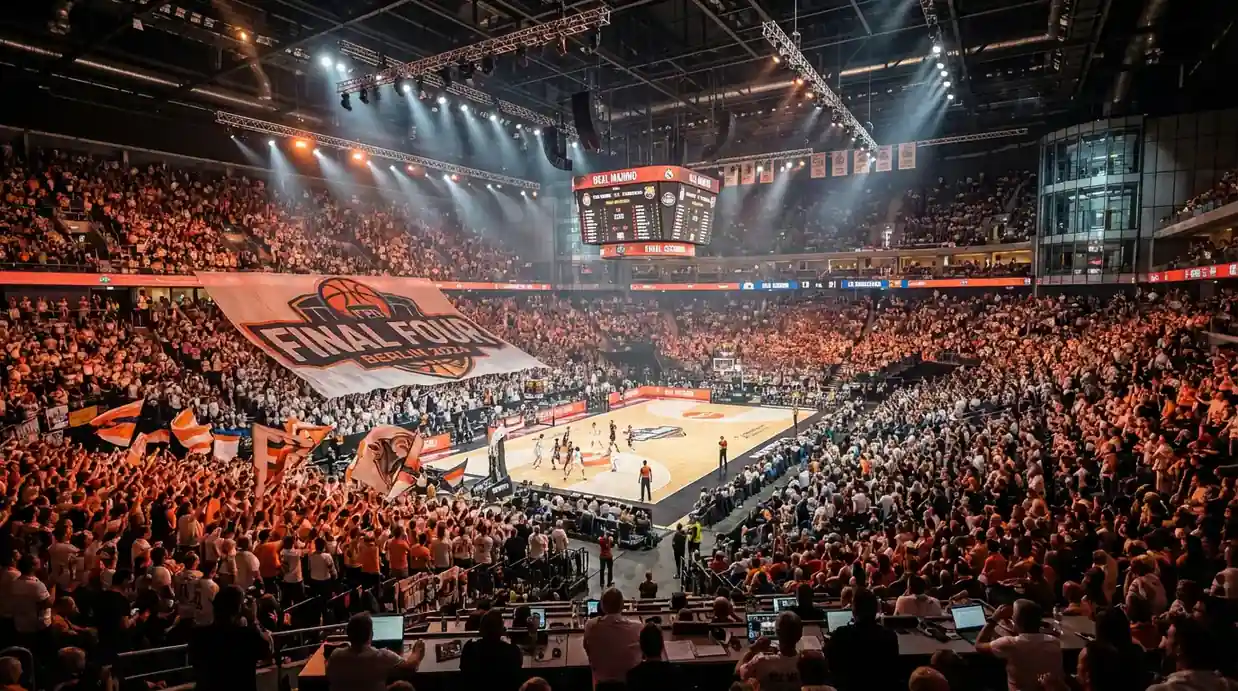
The Turkish Airlines EuroLeague represents European club basketball’s premier competition. Eighteen teams from across the continent compete through a regular season format before playoffs culminate in the Final Four — a single-weekend championship event that generates intense betting interest. Real Madrid, Barcelona, Olympiacos, and other historic clubs bring passionate fanbases whose emotional betting occasionally creates value for more dispassionate observers.

Beyond the EuroLeague, a network of strong domestic leagues offers additional markets. Spain’s Liga ACB is widely considered the strongest national league outside North America. Turkey’s BSL features clubs with EuroLeague ambitions and substantial budgets. Germany’s BBL, France’s Pro A, and Italy’s Lega Basket each provide regular season action with markets available at major UK bookmakers. Even the British Basketball League attracts coverage, though market depth remains limited compared to European alternatives.
Globally, 55% of basketball betting revenue originates outside North America. That statistic reflects both European market maturity and Asian basketball betting interest, but the practical implication for UK bettors is straightforward: you don’t need to be an NBA specialist to bet basketball seriously. European competitions offer different strengths — reasonable viewing times, less efficient markets, diverse competitive contexts — that suit certain betting approaches better than the heavily-analysed NBA landscape.
International basketball adds further options. FIBA EuroBasket brings together national teams every four years, creating tournament betting opportunities with unique dynamics. The Basketball World Cup operates on a similar cycle. Olympic basketball attracts global interest. These competitions feature different rules than NBA play (FIBA regulations differ on shot clock resets, court dimensions, and other technical aspects) and require adjusting expectations accordingly.
My comprehensive EuroLeague betting guide covers European basketball in depth, including league structures, timing advantages for UK bettors, and specific market analysis approaches. The key insight at this overview level: European basketball deserves consideration not as an NBA substitute but as a distinct betting domain with its own characteristics and opportunities.
Live Basketball Betting: The Fastest-Growing Market
I watched a bettor turn a losing position into profit during a single timeout. His pre-match spread bet was dying — the team he backed trailed by 14 points midway through the third quarter. Rather than accepting the loss, he live-bet the opponent’s spread at adjusted odds, creating a middle opportunity that paid off when the final margin landed precisely between his two positions. That kind of in-play manoeuvring represents basketball’s unique live betting appeal.
Live betting now dominates basketball wagering. In-play wagers constitute 62.35% of the online betting market — meaning nearly two-thirds of all basketball betting activity occurs after games begin rather than before tip-off. This isn’t surprising once you understand basketball’s rhythm. Possession changes frequently, scoring happens in bursts, and momentum swings visibly within single quarters. A team leading by 10 can trail by 8 five minutes later, and the betting markets adjust continuously.
62.35%
Share of basketball betting occurring live/in-play
NBA Commissioner Adam Silver has acknowledged how regulation shapes this landscape. His observation that legal betting frameworks enable tracking suspicious activity in ways previously impossible reflects the industry’s evolution. That monitoring infrastructure matters for bettors because it helps maintain market integrity — the assurance that games are decided on court rather than through manipulation becomes more credible when sophisticated tracking systems exist.
Basketball’s scoring structure makes it ideal for live betting in ways that lower-scoring sports cannot match. In football, a single goal might decide the outcome, making in-play betting feel like chasing events already determined. In basketball, that 14-point deficit represents roughly six possessions — maybe two minutes of game time if momentum shifts. Lines move rapidly but opportunities exist between those movements for bettors who read game flow effectively.
The challenge of live basketball betting lies in speed. Markets suspend during free throws, timeouts, and any stoppage that might affect outcomes. Odds adjust within seconds of significant events. The bettor who profits from live betting typically combines pre-match research (knowing how teams respond to deficits, which lineups produce runs, when coaches make rotation changes) with real-time observation. Pure reaction without preparation rarely succeeds; odds adjust faster than most people can process information.
For UK bettors, live betting’s growth creates both opportunity and timing challenge. If you can’t watch NBA games live at 2am, you can’t effectively live bet them either. European basketball becomes more attractive for in-play wagering precisely because the viewing times align with evening schedules. My dedicated guide to live basketball betting explores strategies and market dynamics for those drawn to in-play wagering specifically.
UK Gambling Regulation: What Bettors Must Know
When I started betting seriously, I barely thought about regulation. Bookmakers existed, they took my money, sometimes they paid out — what else mattered? A decade of watching the regulatory landscape evolve has taught me that understanding the framework protecting you isn’t administrative trivia. It’s practical knowledge that affects where you bet, how disputes resolve, and what protections exist when things go wrong.
The UK Gambling Commission licenses and regulates all legal gambling activity in Britain. Every bookmaker accepting UK customers must hold an active licence, comply with stringent operating conditions, and submit to Commission oversight. This regulatory framework provides protections that unregulated markets cannot offer: segregated customer funds, mandatory dispute resolution pathways, and enforceable standards for fair treatment.
Key Regulatory Protections for UK Bettors
- Licensed operators must keep customer funds separate from operational funds — your balance is protected if a company faces financial difficulties
- All licensed bookmakers must participate in approved alternative dispute resolution schemes
- Marketing standards prevent the most predatory advertising practices
- Self-exclusion tools must be available, including the national GAMSTOP scheme
- Operators must verify customer identity and age before allowing deposits
April 2025 brought significant regulatory change with the introduction of a mandatory statutory gambling levy. All licensed operators now contribute to funding gambling-related research, education, and treatment programs. Legal analysts have characterised these reforms as a decisive shift in UK gambling regulation, positioning the country as a global leader in responsible regulatory frameworks.
Checking whether a bookmaker holds a valid Gambling Commission licence takes seconds. The Commission maintains a public register accessible through their website, searchable by company name or licence number. Any legitimate UK-facing operator will display their licence number prominently — typically in the website footer. If you cannot verify an operator’s licence status, do not deposit funds with them.
What happens if a dispute arises with a licensed bookmaker? Operators must first address complaints through internal processes. If internal resolution fails, the Commission requires operators to direct customers toward approved Alternative Dispute Resolution providers. These independent bodies assess disputes and issue binding decisions. The practical advice is straightforward: bet only with Gambling Commission licensed operators.
Choosing a UK-Licensed Bookmaker for Basketball
Over nine years I’ve held accounts with more bookmakers than I can easily count. Some impressed me immediately. Others frustrated me within weeks. That accumulated experience shapes how I evaluate operators now, and the criteria matter more for basketball than for mainstream sports.
A former Gambling Commission chief executive once emphasised the importance of operators using their sophisticated analytical tools not just for identifying profitable customers but for protecting vulnerable ones. That observation guides my first evaluation criterion: how seriously does an operator treat customer protection? Deposit limits should be easy to set. Self-exclusion should be clearly accessible. Operators who make responsible gambling tools difficult to find signal something about their priorities.
| Criterion | What to Evaluate | Red Flags |
|---|---|---|
| Licensing | Valid Gambling Commission licence, clearly displayed | No visible licence number, offshore-only licensing |
| Basketball Markets | NBA and EuroLeague coverage, prop markets, live betting depth | NBA-only coverage, limited European leagues |
| Odds Quality | Competitive margins on basketball, consistent pricing | Significantly worse odds than competitors |
| Mobile Experience | Functional app, quick bet placement, stable live markets | Crashes, slow loading, mobile-unfriendly interface |
| Withdrawal Process | Multiple options, reasonable timeframes, no hidden conditions | Excessive delays, withdrawal limits, unclear terms |
Basketball-specific market coverage varies significantly between operators. Some bookmakers treat basketball as a secondary sport, offering basic moneyline, spread, and total markets without the prop betting depth that serious basketball bettors want. Others provide comprehensive NBA coverage including player props, team props, and same-game parlays while also maintaining strong EuroLeague coverage. Check this coverage before committing significant bankroll.
Odds quality requires comparison rather than isolated evaluation. The same NBA spread might be priced at 1.87 with one operator and 1.93 with another — a meaningful difference over volume. Line shopping across multiple accounts improves expected returns without requiring any analytical skill improvement. Most experienced bettors maintain three to five active accounts specifically to capture the best available price on each selection.
Red flags that should prompt caution include: withdrawal processes that feel deliberately obstructive, customer support that deflects rather than addresses issues, and terms and conditions written to create loopholes against customers. Legitimate operators compete for your business through product quality; they don’t need to trap you through obscure terms.
Responsible Gambling: Protecting Yourself as a Bettor
I’ve lost friends to gambling problems. Not literally — they’re still alive — but the friendships collapsed under the weight of borrowed money, broken promises, and that particular desperate energy that problem gambling produces. These weren’t careless people. They were intelligent, analytical, exactly the type you’d expect to handle betting responsibly. And then one day they couldn’t.
The Responsible Gambling Strategy Board has characterised gambling as a significant public health issue for the United Kingdom. Among online sports bettors, research suggests 30% experience some level of gambling-related problems. Not 30% become addicted, but 30% report their betting causing issues they recognise as problematic. That’s nearly one in three.
Perhaps more revealing: 86% of online bettors believe they can consistently profit from sports betting. The mathematics of betting guarantee that most bettors will lose over time — bookmaker margins ensure it. The gap between widespread confidence and mathematical reality represents exactly the kind of cognitive distortion that enables gambling harm.
Tools Available to Every UK Bettor
- Deposit limits — Set maximum deposits per day, week, or month
- Loss limits — Cap how much you can lose within defined periods
- Session time limits — Automatic reminders or logouts after specified durations
- Cooling-off periods — Temporary account suspension when you need a break
- Self-exclusion — GAMSTOP provides UK-wide exclusion from all licensed operators

Using these tools proactively — before you need them desperately — represents intelligent betting behaviour. Setting a deposit limit equal to what you can actually afford to lose costs nothing and prevents scenarios where chasing losses leads somewhere damaging. I’ve used deposit limits myself during periods when I felt my discipline slipping.
GAMSTOP — the national self-exclusion scheme — deserves specific mention. Registration is free, covers all Gambling Commission licensed operators, and cannot be reversed before your chosen exclusion period ends. For some people, this unavailability is exactly what’s needed.
Support resources exist for those who need them. GambleAware provides information and referrals to treatment services. The National Gambling Helpline operates around the clock. These services exist because gambling harm is real, recognised, and treatable. My comprehensive guide to responsible basketball betting covers these topics in greater depth.
Your First Basketball Bet: A Step-by-Step Walkthrough
Reading about betting theory eventually needs to translate into actually placing a bet. The first time can feel surprisingly intimidating — will I do something wrong? What if I misunderstand the interface? Those concerns are normal, and the process is more straightforward than it might appear.
Before anything else, decide on your budget. This isn’t the amount you hope to win — it’s the amount you’re genuinely comfortable losing entirely. Gambling should come from entertainment budget, not from funds earmarked for bills or savings. Start smaller than you think necessary; you can always deposit more later.
- Choose a licensed bookmaker. Select an operator holding a valid UK Gambling Commission licence. Compare basketball market coverage and mobile functionality before committing.
- Complete registration and verification. Provide accurate personal details. Operators are legally required to verify your identity and age, typically requesting government-issued ID and proof of address.
- Set your deposit limits. Before depositing anything, navigate to the responsible gambling section and set a deposit limit appropriate to your predetermined budget. This step prevents impulsive decisions later.
- Make your first deposit. UK operators support various payment methods: debit cards, bank transfers, e-wallets. Start modestly — you can always add more, but you cannot un-lose funds.
- Navigate to basketball markets. Find the basketball section, browse available competitions — NBA, EuroLeague, domestic leagues — and select a game that interests you.
- Select your bet. Choose the market type and specific selection. Clicking the selection adds it to your bet slip.
- Enter your stake and confirm. The bet slip displays potential returns based on current odds. Final review: correct game, correct selection, correct stake. Click “Place Bet” to confirm.
After placing your bet, the waiting begins. When the game concludes, settled bets appear in your betting history. Winning bets add returns to your balance automatically. The first bet teaches you the interface. The next teaches you whether your reasoning had merit. Neither should involve more money than you’d pay for an evening’s entertainment.
Basketball Betting Questions Answered
Throughout nine years of basketball betting analysis, certain questions appear repeatedly. These represent the fundamentals that every new bettor needs to understand.
How does basketball betting work?
Basketball betting involves predicting outcomes and staking money on those predictions through licensed bookmakers. You choose a market type — who wins (moneyline), winning margins (spreads), combined scores (totals), or individual performances (props). Each outcome carries odds reflecting its perceived probability. If your prediction proves correct, you receive a payout calculated by multiplying your stake by the odds. If incorrect, you lose your stake. Bookmakers profit through margins built into their odds, meaning the collective probabilities they offer sum to more than 100%. Successful betting requires finding selections where your assessment of probability differs favourably from the odds offered.
What is point spread in basketball betting?
Point spread betting handicaps the favourite to create a more even betting proposition. If the spread is “Boston -6.5, Miami +6.5”, Boston is favoured by 6.5 points. Betting on Boston requires them to win by 7 or more points for your bet to succeed. Betting on Miami means they can lose by up to 6 points and your bet still wins — or they can win outright. The half-point eliminates ties, ensuring one side always wins. Spread betting typically offers near-even odds on both sides (around 1.90-1.95), making it the primary market for basketball handicapping.
Is basketball betting legal in the UK?
Yes, basketball betting is fully legal in the United Kingdom when conducted through operators licensed by the UK Gambling Commission. The Gambling Act 2005 established the legal framework under which licensed operators can offer betting services to UK residents. All major basketball competitions — including the NBA, EuroLeague, and domestic European leagues — are available for legal wagering. The key requirement is using licensed operators only. You can verify any operator’s licence status through the Gambling Commission’s public register. Players must be 18 or older to participate.
What bet types are available for basketball?
Basketball betting encompasses diverse market types. Moneyline bets pick game winners outright. Point spread bets involve handicapped margins. Totals (over/under) bets predict combined scores. Parlays combine multiple selections into single bets with multiplied odds. Player props bet on individual performances — points, rebounds, assists. Team props cover team-specific outcomes like first-half winners. Quarter and half betting allows wagering on individual game segments. Futures bets cover longer-term outcomes like championship winners. Same-game parlays combine selections from within a single match. Live betting offers all these markets during games with continuously adjusting odds.
How do I read basketball odds?
UK bookmakers primarily display decimal odds, which show your total return per unit staked including your original stake. Odds of 2.50 mean a £1 bet returns £2.50 total (£1.50 profit plus your £1 stake). To calculate implied probability, divide 1 by the decimal odds — so 2.50 implies 40% probability. Odds below 2.00 indicate favourites; odds above 2.00 indicate underdogs. You may also encounter fractional odds (3/1 means £3 profit per £1 staked) or American odds (-150 means stake £150 to profit £100; +150 means stake £100 to profit £150). Most platforms allow switching between formats in settings.
What are prop bets in NBA betting?
Proposition bets — props — focus on specific occurrences within games rather than overall outcomes. Player props are most common: will a specific player score over or under a projected points total, collect a certain number of rebounds, or record a particular number of assists? Team props cover team-specific performances: first team to reach 20 points, total first-quarter points. Game props address miscellaneous outcomes: will the game go to overtime, will both teams score 100+ points? Props attract bettors who prefer analysing individual performances rather than predicting game winners. NBA prop markets are particularly deep.
Building Your Basketball Betting Knowledge
Basketball betting rewards patience more than intuition. Every concept in this guide — from understanding odds formats to recognising responsible gambling tools — represents knowledge that accumulates into genuine competence over time. The bettor who masters fundamentals before chasing advanced strategies outperforms the one who rushes to find shortcuts that rarely exist.
Where you go from here depends on what interests you most. If the NBA’s global dominance attracts you despite the timing challenges, dive deeper into NBA betting strategies for UK punters. If European basketball’s accessible scheduling appeals more, explore EuroLeague and domestic European markets. If understanding specific market types matters most, examine each bet type in detail.
Throughout your basketball betting journey, return regularly to responsible gambling principles. Set limits before you need them. Use available tools proactively rather than reactively. Recognise that entertainment value — not profit expectation — should define a sustainable relationship with betting. The most successful bettors I know aren’t necessarily the most profitable; they’re the ones who’ve maintained enjoyment across years without letting betting become problematic.
Basketball betting in the UK occupies an interesting space — growing in popularity, increasingly sophisticated in market offerings, yet still less saturated than football or horse racing. That combination creates genuine opportunity for those willing to develop real expertise. The fundamentals covered here provide your foundation. What you build on that foundation is your own construction project, and I look forward to seeing you progress beyond the basics into genuinely informed betting.
Created by the ”Basketball Sports Betting” editorial team.